now offering meal support!

Eating Disorder Therapy Orlando, FL
All Services
Eating Disorder Treatment Jacksonville, FL
Anxiety Therapist Jacksonville, FL
Therapists Orlando
Dietitians Jacksonville
Therapists Jacksonville
Body Image Therapy Florida
EMDR Therapists
Medication Mangement
Therapists South Florida
Services for Children
Dietitians in Orlando, FL
Therapy in Orlando, FL
Anxiety Therapy in Orlando, FL
EMDR Therapy in Orlando, FL
Christian Counseling in Jacksonville, FL
EMDR Therapy in Jacksonville, FL
Dietitians in Fort Lauderdale, FL
Anxiety Therapy in Fort Lauderdale, FL
Therapy in Fort Lauderdale, FL
Diet Culture vs. Eating Disorder: Understanding the Connection
June 14, 2026
Diet culture shows up all around us. We see it in social media posts, comments from friends, and even on food packaging. Many people do not realize how it can slowly change how we think, how we eat, and how we feel about our bodies. What starts as a goal to “eat clean” or “look fit” can sometimes grow into something more serious.
Diet culture is not just about wanting to eat healthy. At times, it pressures us to change ourselves in unhealthy ways. For some, this pressure does not stop at food; it can lead to real pain, guilt, and even a full-blown eating disorder. In our work with clients and families, including those seeking support from a dietitian in Jacksonville, we have seen how connected these two issues can be. Recognizing the signs early helps guide people toward a better, more peaceful relationship with food and body image.
What Is Diet Culture?
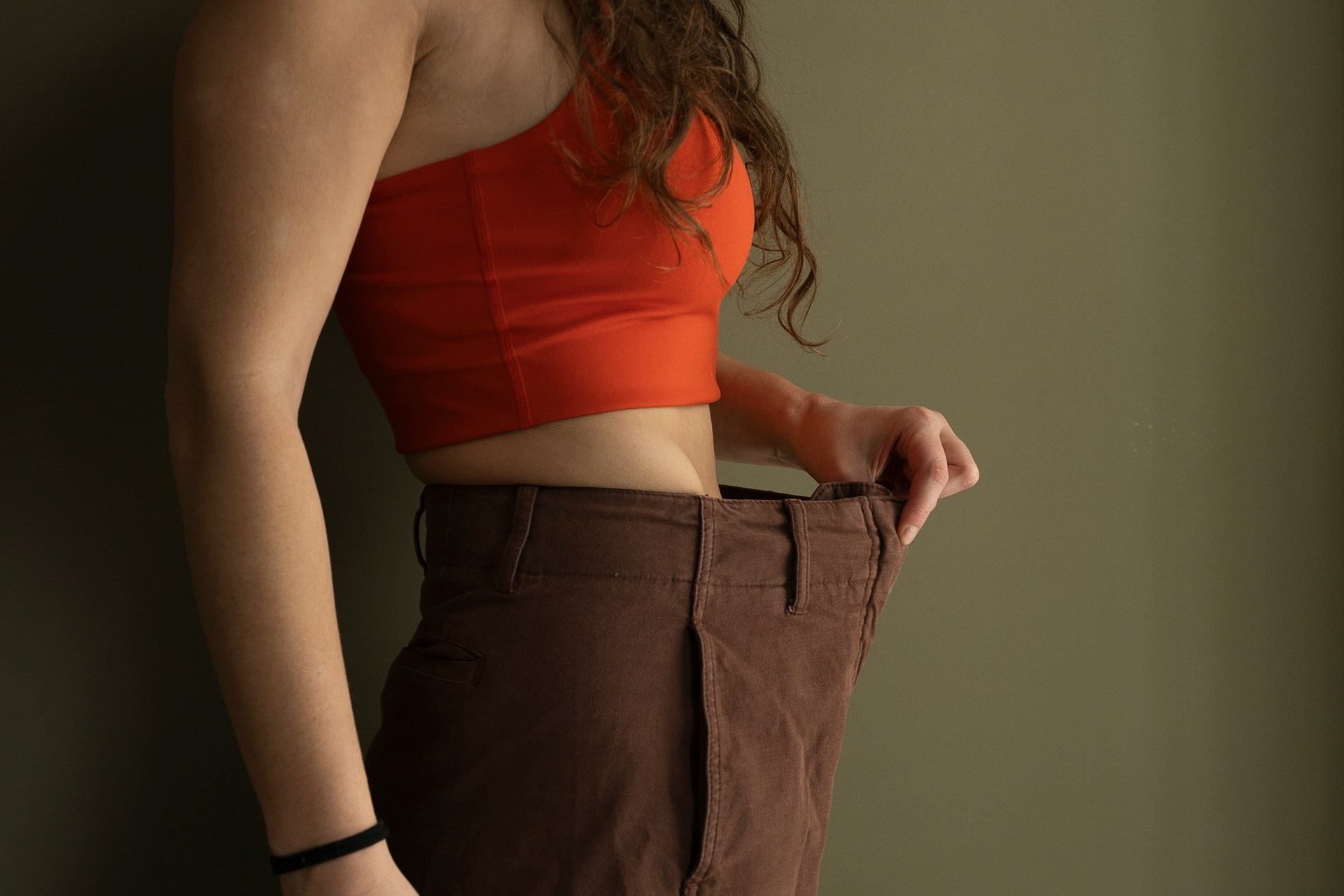
Diet culture is the belief that thinness equals health. It is the idea that certain foods are “good” and others are “bad.” It is often the reason so many people feel they need to shrink their bodies to feel worthy.
We hear diet culture everywhere, from a coworker skipping lunch to lose weight to influencers posting “what I eat in a day” videos. Diet culture teaches us that bodies should look a certain way, and if they do not, we must be doing something wrong.
It does not only affect adults. Kids and teens pick up these ideas quickly, especially from social media or comments from people they trust. A child might stop eating their favorite snacks after hearing someone say, “Carbs are bad.” A teenager might skip meals so they “do not ruin their progress.” These messages can settle in without anyone realizing the harm they are causing.
How Diet Culture Can Lead to Disordered Eating
Diet culture can make people feel like their worth is tied to what they eat or how they look. That makes it easier for habits that seem “healthy” at first to take a turn. Wanting to make balanced choices is one thing. Feeling ashamed every time you eat dessert is something else.
When someone feels like they have to earn their food or work it off later, that can be a warning sign. Skipping meals to stay under a calorie goal or avoiding entire food groups out of fear are also warning signs. These are not just personal choices; they may be signs of disordered eating that is influenced by outside pressure to look a certain way.
Over time, this pressure can lead to real struggles. A person may feel anxious at meal times, start hiding their eating habits, or avoid eating in front of others. It stops being about health and becomes about control, shame, and fear.
Signs It’s More Than Just “Trying to Be Healthy”
It is common to want to feel good about what we eat. When food becomes a source of stress, it might be time to look a little deeper. There is a difference between making thoughtful meal choices and feeling like every bite needs to be perfect.
Here are a few signs that someone might be dealing with more than just healthy habits:
- Constantly checking nutrition labels, weighing food, or counting bites
- Saying no to events or meals with friends because of fear around the food
- Feeling anxious before, during, or after eating
- Hiding food, bingeing in secret, or skipping meals without telling anyone
- Becoming angry or upset when plans involve food
These behaviors often start quietly. A person might just want to “clean up” their diet. Over time, it can grow into an obsession that affects their mood, energy, and ability to focus. If these patterns continue, they can impact everything from sleep to school to relationships.
Why This Matters, Especially in Summer
Florida summers bring sunshine, warmer temperatures, and lots of talk about swimsuits and “getting ready” for the beach. For many people, especially kids and teens, this season can stir up old body worries. Messages about dieting or “fixing” your body seem louder this time of year.
We often hear clients say they feel more pressure in the summer to look a certain way. They might start new diets, push themselves to restrict, or feel triggered by how others talk about food and bodies.
In places like Jacksonville, where outdoor activities and social events are common, this can be tough for anyone dealing with body image issues. It can also bring setbacks for people in recovery. That is why being aware and talking openly about these experiences really matters right now. Recognizing when summer pressures are turning into food stress can make a difference.
Understanding and Support at Every Step
At Restored Purpose Counseling, our team includes registered dietitians, licensed therapists, and nurse practitioners, all working together to help clients struggling with eating disorders and body image. Nutrition counseling is available for both adolescents and adults, and support can be accessed both in person at our Jacksonville location or virtually through telehealth for those in Florida and several other states.
If you or someone you care about is feeling the impact of diet culture, individual or group sessions with a registered dietitian can help create a supportive space for healing. The focus is always on building trust in your own body and making peace with food, away from the pressures of outside expectations.
Giving Yourself Permission to Choose Peace
Once we call out the harmful messages that diet culture spreads, it gets easier to question them. It becomes possible to ask, “Does this actually help me feel better?” For many, the honest answer is no.
You do not need to change your body just because the weather is warm. You do not need to follow rules that make you feel anxious or ashamed. You get to feel safe around food. You get to feel at home in your body, whatever shape it is.
Learning the difference between diet culture and eating disorders may not seem like a big switch, but it can change the way we treat ourselves. That change opens the door to something better. Not perfection, not control, but peace.
When food starts to feel like a source of stress instead of nourishment, you are not alone, and you do not have to keep figuring it out by yourself. Getting support from someone who understands how diet culture shows up can make the path to healing feel less overwhelming. Working with a compassionate dietitian in Jacksonville can help you or your child rebuild a more peaceful relationship with food and body image. At Restored Purpose Counseling, we are here to walk alongside you, so reach out when you are ready to begin.