now offering meal support!

Eating Disorder Therapy Orlando, FL
All Services
Eating Disorder Treatment Jacksonville, FL
Anxiety Therapist Jacksonville, FL
Therapists Orlando
Dietitians Jacksonville
Therapists Jacksonville
Body Image Therapy Florida
EMDR Therapists
Medication Mangement
Therapists South Florida
Services for Children
Dietitians in Orlando, FL
Therapy in Orlando, FL
Anxiety Therapy in Orlando, FL
EMDR Therapy in Orlando, FL
Christian Counseling in Jacksonville, FL
EMDR Therapy in Jacksonville, FL
Dietitians in Fort Lauderdale, FL
Anxiety Therapy in Fort Lauderdale, FL
Therapy in Fort Lauderdale, FL
Body Image Therapy Near Me and Why the Right Fit Matters More Than You Think
September 21, 2026
If you’re searching “body image therapy near me,” you probably already know you need support. The harder question is finding someone you can actually trust with this. Body image work is personal in a way that goes beyond most therapy topics, and the therapist you choose matters just as much as the type of therapy they offer.
That’s not just something we say to make the process feel warmer. It reflects what we actually see in sessions. Clients who’ve done significant work on body image before often arrive telling us the same thing: the techniques made sense, but the relationship never felt safe enough to go deep. So they stayed on the surface. Progress stalled. And eventually they stopped going.
The right therapist changes that. Here’s what to know before you start your search.
What Body Image Therapy Actually Addresses
There’s a misconception that body image therapy means sitting in a room talking about how you look. In reality, most of the work happens a layer below that.
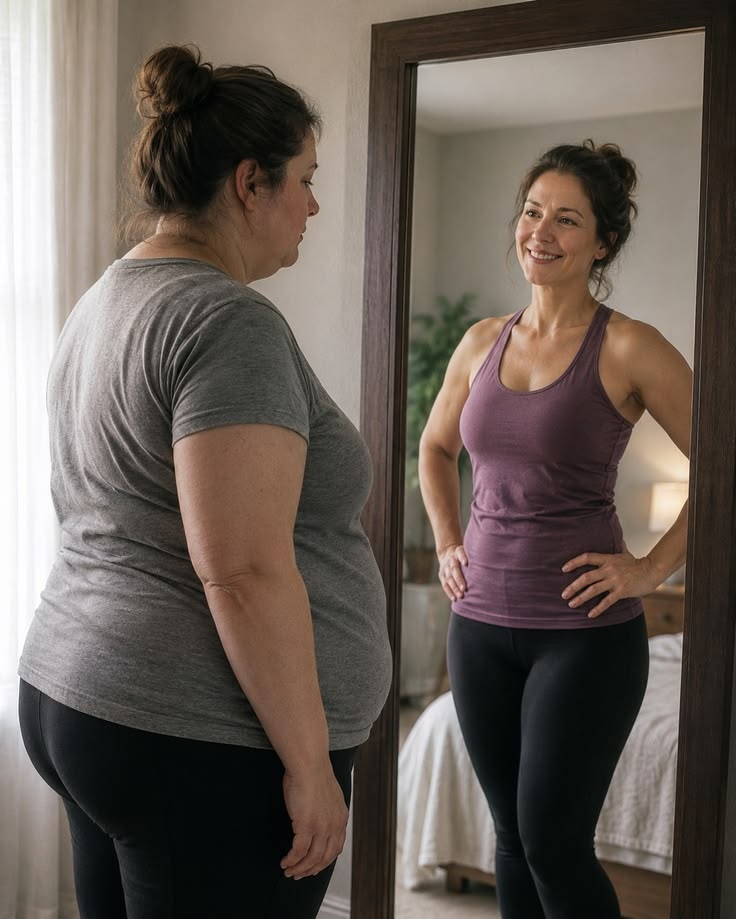
Body image is shaped by what you’ve been told about your body, what you’ve been taught to feel about it, and what experiences have left marks on it. Diet culture messaging that started before you were old enough to question it. Comments from family members, coaches, doctors. A medical system that often equated smaller with healthier. Trauma that made your body feel like something to control rather than something to live in.
By the time most people search for body image therapy, they’re carrying all of that. The goal isn’t to convince you to “love your body” through affirmations. The goal is to help you understand the actual roots of your relationship with your body, work through what’s underneath the self-criticism, and build something more neutral and livable. That might look like reducing the amount of mental energy you spend on how you look. It might look like eating without guilt for the first time in years. It might look like recognizing when a thought is yours and when it was handed to you.
For many clients, body image struggles connect directly to an eating disorder or disordered eating patterns. If that’s true for you, therapy and nutrition support often work together more effectively than either one alone. But you don’t need a diagnosis to deserve this kind of care. If your relationship with your body is causing you real distress, that’s enough.
Why “Near Me” Isn’t the Whole Picture
Proximity matters. Convenience matters. You’re more likely to show up consistently when the logistics are manageable, and consistency is a real factor in how well therapy works.
But “nearest” and “right fit” aren’t the same thing. Here’s where people tend to get stuck when choosing a body image therapist.
Credentials Tell You What They Know. The Relationship Tells You What’s Possible.
A therapist can have every relevant certification and still not be the right person for you. What you’re looking for isn’t just clinical knowledge, though that absolutely matters. You’re looking for someone who makes you feel like you can say the actual thing, not just the edited version.
Body image work requires you to be honest about thoughts you’ve probably never said out loud. Thoughts about your body that feel embarrassing or shameful or irrational. The only place that level of honesty becomes possible is in a relationship where you feel genuinely seen, not evaluated.
When you meet with a potential therapist, pay attention to how you feel in the room (or on the screen). Do they ask questions that make you feel like a case to be solved, or like a person they want to understand? Do they use language that respects your body without commenting on it? Do they seem curious about your specific experience, or are they pattern-matching to what they’ve seen before?
That felt sense matters. Trust it.
Specialization in Body Image Looks Like More Than a Website Checkbox
A lot of therapists list “body image” as one of fifteen areas they treat. Real specialization looks different. It looks like a therapist who understands the specific ways diet culture has shaped their clients’ thinking. Who knows the difference between body dysmorphic disorder and the kind of pervasive body dissatisfaction that doesn’t meet a clinical threshold but still runs someone’s life. Who can work with you if you’re in eating disorder recovery without accidentally reinforcing the patterns you’re trying to move away from.
Ask directly: what does your body image work actually look like in sessions? A therapist with real experience in this area can answer that specifically. If the answer is vague, keep looking.
What to Actually Look For When You Search
When you sit down to find body image therapy near you, here’s a more useful framework than sorting by distance.
Start with specialization. Look for therapists who name eating disorders, body image, or trauma as their primary focus areas, not as one item in a long list. Directories like Psychology Today let you filter by specialty. Use it.
Check their approach. Body image therapy pulls from several modalities. Cognitive behavioral therapy helps identify and interrupt distorted thought patterns. EMDR can be especially useful when body image struggles are rooted in specific traumatic experiences or memories. Somatic approaches work with how the body itself holds tension, avoidance, and distress. A good therapist will explain why they’re recommending a particular approach for you, not just describe what they generally do.
Look for body-neutral language. A therapist who talks about bodies with respect, who doesn’t use weight or size as a measure of health or progress, and who understands concepts like Health at Every Size is going to be a safer fit for this work than one who conflates “getting healthier” with changing how your body looks.
Consider telehealth. If you’re in a location where body image specialists are limited, telehealth expands your options significantly. The research on telehealth for mental health treatment is solid, and for body image work specifically, many clients find it just as effective as in-person sessions.
Ask about their own relationship to body image work. This sounds like an unusual question, but therapists who specialize in this area have often done their own work around it. They tend to bring a specific kind of clarity and compassion to the subject that’s different from someone who treats it as just another presenting issue.
If you’re not sure where to start with the logistics of reaching out, what to expect in a first therapy session can help take some of the uncertainty out of the process before you even pick up the phone.
The Fit Question Is Worth Taking Seriously
People often treat the therapist-matching process like a necessary inconvenience on the way to getting help. Pick someone, start going, see what happens.
That approach sometimes works. But for body image therapy specifically, we’ve seen over and over that clients who feel mismatched with their therapist tend to minimize, avoid the harder material, or quietly stop going before anything real has shifted.
A bad fit isn’t always obvious. Sometimes it looks like a therapist who’s technically competent but a little too quick to reframe things before you’ve fully felt them. Sometimes it’s someone whose language around food or bodies feels slightly off to you, and you spend sessions internally translating what they mean rather than just being present. Sometimes the therapist is warm but isn’t equipped for the complexity of what you’re bringing in.
None of that means therapy doesn’t work. It means this particular pairing isn’t right. And the solution is to look for someone else, not to conclude that you’re the problem or that healing isn’t possible for you.
Our page on body image support and what that process looks like has more on how to recognize when you’re getting what you need from treatment and when something’s missing.
How We Work With Body Image at Restored Purpose
At Restored Purpose, body image therapy is one of our primary areas of focus, not an add-on. Our therapists work specifically with people navigating body dissatisfaction, eating disorders, disordered eating, and the kind of persistent body-focused distress that makes daily life harder than it needs to be.
We work from a body-neutral framework. That means we’re not here to tell you how you should feel about your body, and we’re definitely not here to suggest that the goal of therapy is to look or eat a certain way. The goal is to help you get some peace back. To feel less like your body is a problem to be managed and more like it’s something you can actually live in.
Our approach is individualized because body image struggles come from different places and show up differently for each person. Some clients need support working through the ways diet culture shaped their beliefs starting in childhood. Others are in eating disorder recovery and need a space that can hold the complexity of that. Some are dealing with body image distress that’s tied to trauma, in which case modalities like EMDR can be a meaningful part of the work.
We serve clients across Florida, including in-person and via telehealth. If you’ve been searching for body image therapy near you and haven’t found someone who feels like the right fit, we’d love to talk. Reach out to us directly and we’ll help you figure out whether we’re the right match for where you are right now.