now offering meal support!

Eating Disorder Therapy Orlando, FL
All Services
Eating Disorder Treatment Jacksonville, FL
Anxiety Therapist Jacksonville, FL
Therapists Orlando
Dietitians Jacksonville
Therapists Jacksonville
Body Image Therapy Florida
EMDR Therapists
Medication Mangement
Therapists South Florida
Services for Children
Dietitians in Orlando, FL
Therapy in Orlando, FL
Anxiety Therapy in Orlando, FL
EMDR Therapy in Orlando, FL
Christian Counseling in Jacksonville, FL
EMDR Therapy in Jacksonville, FL
Dietitians in Fort Lauderdale, FL
Anxiety Therapy in Fort Lauderdale, FL
Therapy in Fort Lauderdale, FL
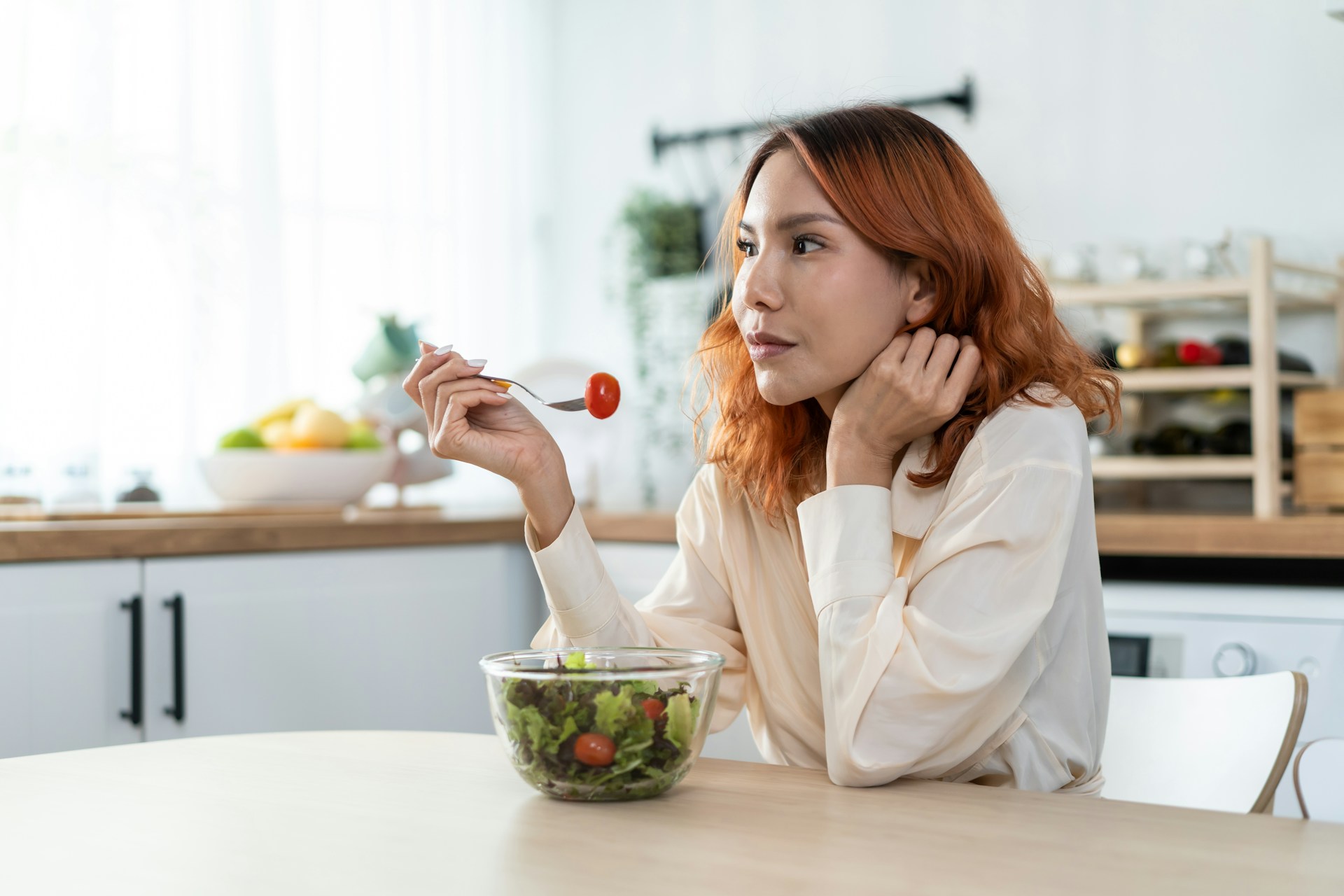
Orthorexia: When ‘Healthy Eating’ Becomes an Eating Disorder
May 31, 2026
Eating healthy can be a good and supportive habit, especially when we are trying to feel better in our bodies or improve our energy. But when that focus on “clean” eating turns into fear, guilt, or strict food rules, it might be something deeper. Orthorexia is a type of eating disorder that looks like motivation on the outside, but on the inside, it creates stress, anxiety, and harm. This does not mean the person is “making a big deal” out of food. It means that food has taken over their thoughts in an unhealthy way.
We have helped many people who started with the intention to “eat better” but found themselves trapped by rules they could not let go of. Knowing what orthorexia is and recognizing when it becomes a problem can be the first step toward feeling calmer and free around food. In some cases, talking with a therapist or a dietitian in Fort Lauderdale can open the door to healing.
What Is Orthorexia?
Orthorexia is not just about eating healthy. It is about being overly controlled by the idea of eating a certain way. People with orthorexia often feel they have to eat “pure” or “clean” foods, and anything outside those rules feels dangerous, wrong, or shameful. It goes beyond caring about nutrition. It becomes fear-driven and obsessive.
You might notice someone with orthorexia refusing to eat food they did not prepare themselves or skipping meals at restaurants or social events. Sometimes they spend hours researching recipes, reading food labels, or planning out meals to avoid what they see as “bad” ingredients. Even though it may begin with good intentions, these behaviors can take over daily activities and impact physical and emotional health.
Warning Signs to Watch For
These habits can sneak in slowly, which makes them hard to recognize at first. But there are clear signs that habits may have gone too far. Here are some patterns we often see:
- Obsessing over food quality, ingredients, or purity
- Cutting out entire food groups without any medical reason
- Avoiding food prepared by others out of fear or mistrust
- Feeling guilt, shame, or anxiety after eating something seen as “unhealthy”
- Spending a lot of time thinking about food, rules, or eating routines
- Missing out on meals or events with others due to food worries
If any of this sounds familiar, it does not mean someone is broken or doing it “wrong.” It means they might be trying to cope with something through control over food. That is not something to be ashamed of, but it can be a sign that help is needed.
How Orthorexia Affects the Body and Mind
When eating feels more like a task filled with rules than something to enjoy, the body and mind respond. People with orthorexia might start to feel low energy, get sick more easily, or notice that their weight changes in ways that do not feel right. Sometimes they will not get enough nutrients, which affects sleep, focus, and overall health.
There is also a strong emotional side. Feeling pressured to eat perfectly can lead to stress, fear, and even burnout. It can make a person feel isolated, especially when eating with family or friends becomes tense or avoided altogether. Over time, it may also take away at self-esteem, making someone feel like they are only “good” if they stick to their rules.
We have sat with clients who describe feeling stuck, wanting more freedom around food but scared to let go. That kind of push and pull can be exhausting.
Why Summer Can Be a Trigger for Disordered Eating
In Florida, summer does not just last a few months. It is a constant part of our lives. From beaches to outdoor events, warmer weather brings out a pressure to look a certain way. That can be especially hard for someone already struggling with food fears or body image stress.
Social events, BBQs, and vacations often involve shared meals, snacks, and less control over food. That can turn casual summer fun into anxious planning or avoidance for someone with orthorexia. In places like Fort Lauderdale, where wearing shorts and swimsuits is part of everyday life, the pressure can build quickly. And because “healthy habits” are praised so often, friends and family may not realize that something more serious is happening.
Orthorexia can hide in plain sight. Someone may be praised for “eating clean” or “having discipline” when inside they are feeling worn down, anxious, and disconnected from others.
The Path to Support and Healing
When food starts controlling someone rather than supporting them, it helps to talk with someone who truly understands the mix of emotional and physical parts involved. Working with a therapist or a dietitian can create space to look at what is really going on and what is being avoided through food rules or body pressure.
We provide both individual and group outpatient care designed for eating disorders, offering nutrition counseling and therapy that address both the mental and physical effects of orthorexia. Our team creates a supportive space where you can rebuild trust with food, guided by professionals who are well-versed in the treatment of orthorexia and other disordered eating patterns.
Support is not about telling someone to “just eat the cookie” or “get over it.” It is about slowing things down, rebuilding trust with food, and finding new ways to cope with hard thoughts or feelings. The work can feel hard at times, but most people say it is worth it. We have seen how choosing support, especially from someone like a registered dietitian in Fort Lauderdale who understands this specific experience, can help food feel more relaxed again.
Letting Go of the Pressure to Be Perfect
Orthorexia is not only about what someone eats. It is often about trying to feel safe, in control, or “good enough” through food habits. That pressure to get it all right can take up so much energy that it crowds out the joy in life. But it does not have to stay that way.
Letting go of strict food rules can open the door to peace, peace with our bodies, meals, and moments spent with others. We believe that with the right care and meaningful support, it is possible to feel relief from food anxiety and return to a space where eating is part of living, not something to fear. Healing starts with being honest about what is getting in the way, then giving yourself permission to move past it. You are not alone in that.
Moving Forward With Support
Getting help for orthorexia can make a real difference in how you think, feel, and relate to food. We offer services to meet you where you are, whether that is through in-person sessions in Florida or telehealth options if you live in another supported state. Many clients benefit from meal support programs and evidence-based care that focuses on long-term recovery and skill building.
At Restored Purpose Counseling, we understand how overwhelming it can feel when food rules start taking over daily life. Whether you are working through anxiety around meals or uncertain about what is fueling your eating patterns, support is available. Meeting with a professional like a dietitian in Fort Lauderdale can be a helpful way to rebuild trust around food and take small steps toward balance. When you are ready for support that meets you where you are, we are here to help.